Microfauna for Vivariums like Gecko Condo
In order to keep a vivarium clean and healthy a lot of people add microfauna to create a cycle. Microfauna are secondary animals, usually insects, that are added to vivarium primarily to serve as janitors. They tend to be quite small. The herp defecates, microfauna eat it and turn it into fertilizer for the plants, plants eat what the microfauna produce and stay healthy which in turn helps keep the humidity up for everyone. If you are working with very small herps the microfauna may even be able to serve as a supplementary food source for them or their offspring. This might sound like a hassle or complication, but really its pretty straight forward and requires very little maintenance once things are started properly.
Two microfauna I like to use are springtails and pill bugs (also known as wood lice). Both of these are isopods that work very well at helping to keep a vivarium clean and healthy. For Gecko Condo, at least for now, I will only be using springtails.
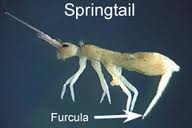
Springtails are quite small, less than 1mm in length for the adults. they get their name from that appendage at the end of their abdomen that they use to quickly jump around. If you keep a breeding colony you often will see them jump into the air a couple inches seemingly at random. You can find starter colonies online or at reptile shows for $5-$10 and they are stupidly easy to keep. Here is my breeding colony:
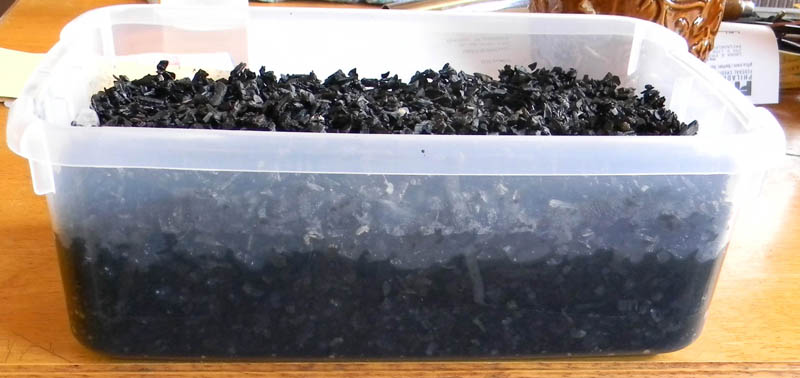
That consists of a 6qt tub with clip on lid, about 2lbs of medium charcoal, and a couple of inches of distilled water. They eat fungus, so you can either put a couple of grains of rice or tiny amounts of vegetables in there weekly to mold up and let them eat, or you can feed them brewers yeast. Since homebrewing is one of my other hobbies, I can just salvage some yeast and let it dry out and give them a couple of pinches a week.
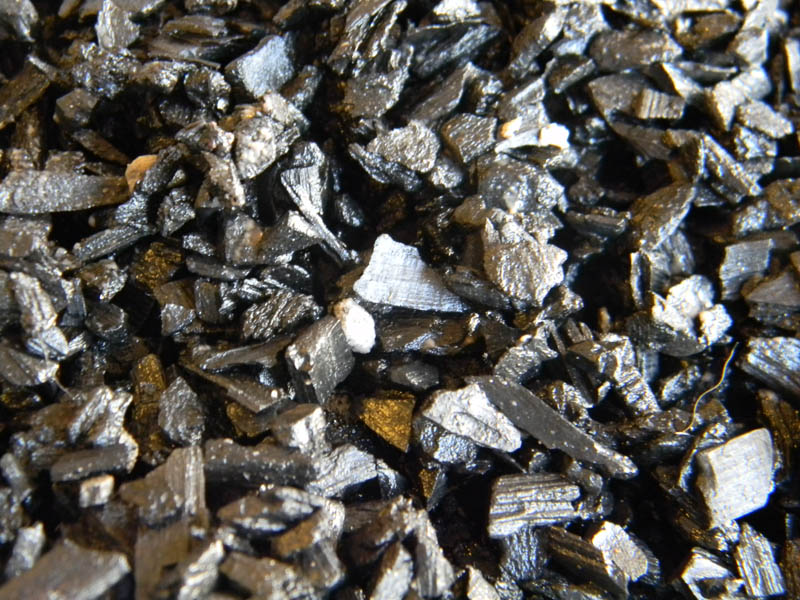
Close up of the charcoal. You can't see them in the shot, but they are in there.
There are 2 main things to worry about with springtails. The first is that many people have reported their tap water killing them. This is likely due to the chlorine many municipalities add to kill tiny things that might make the water unsafe for drinking. You can risk it if you want, or use either distilled or water that has gone through reverse osmosis. If you have a misting set up you should be using one of these two anyway as it increases the life of your nozzles, and also will not cloud the sides of the vivarium because there are no minerals in the water. You can usually get this water at a grocery store or Target, and you can also buy a reverse osmosis filter for your sink if you would rather have it available for other uses.
The other thing to watch out with springtails is gassing them. When you put the food in to mold it can create a build up of CO2 as the fungus grows that will kill or, if you are lucky, temporarily knock out your colony. Springtails need very high humidity to breed well, which is why there is a couple inches of water at the bottom of their breeding colony. This makes it inadvisable to put holes in the lid of the container. Instead, either open the lid every couple days to change the air, or get a loose fitting lid like steralite containers that have lids with clips instead of an airtight seal.
Another, newer, choice for microfauna are pill bugs. I don't have experience raising these buy might give them a shot later this year.
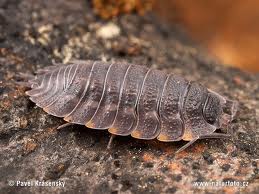
They serve the same function as springtails and are also isopods. They are also much larger. It is possible to catch your own pill bugs and raise them, but I would advise against just adding them from the outdoors to a vivarium. Personally, I think it is safer to spend the ~$10 to buy an established colony from someone you trust than catch your own, but if you want to catch them you should breed them through several generations to try and let them get any parasites and diseases out of their system before introducing them to a vivarium.
As I mentioned earlier, herps will eat the microfauna as well if they are of an appropriate size. Mantella and dart froglettes will eat them. I imagine small species of gecko, like viper geckos, will as well. Pill bugs, being larger, will be more attractive as food for larger species.